

How to Feed Garden Birds This Winter: A Complete Guide
Help finches, tits, and robins thrive during cold snaps with the right food to support them and fill your garden with birdsong.
How to Help Garden Birds Thrive During Winter
When temperatures plummet, small garden birds such as finches, tits, and robins face significant challenges to survive. During freezing nights, these birds can lose up to 10% of their body weight as they burn energy to stay warm. Unlike mammals, birds don’t store fat as it would hinder their ability to fly, says Sean McMenemy, a wildlife expert. “They can only eat the food they need daily, so providing nourishment and shelter is critical for their survival,” he explains.
The Importance of Food and Water
Cold snaps, like the Beast from the East in 2018, can devastate bird populations. A lack of food and shelter during freezing conditions can result in mortality rates of 40% among blackbirds and over 60% for robins. Supporting garden birds with the right food and water can help them survive and keep your garden lively with birdsong.
What to Feed Garden Birds
Providing the right food is essential, as birds adapt their diets to the available resources. Here’s what McMenemy recommends:
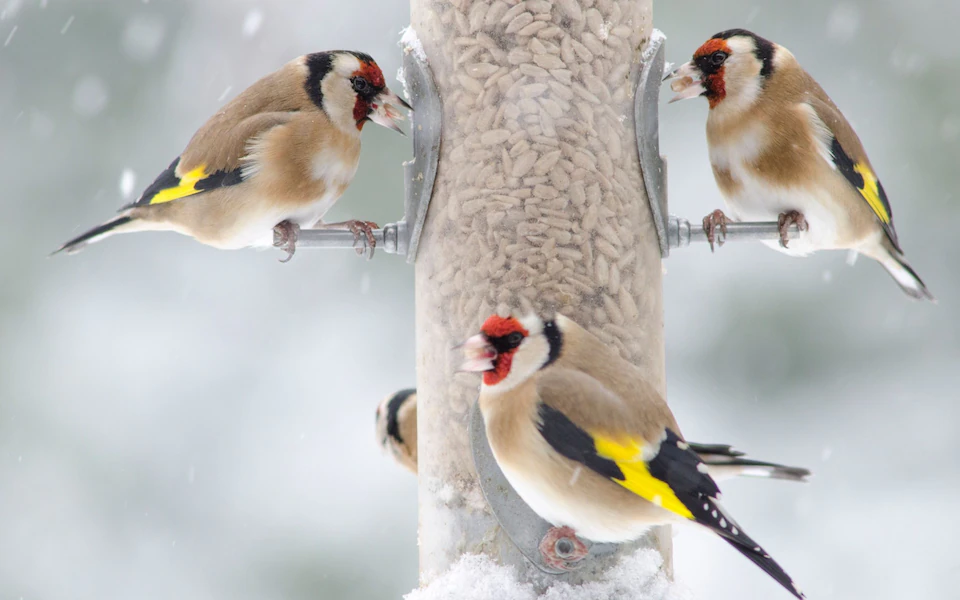
- Sunflower Hearts: These are a universal favourite among garden birds. Stripped of their tough shells, sunflower hearts are nutrient-dense and leave minimal waste.
- Peckish Natural Sunflower Hearts – High-energy and suitable for all garden birds.
- Fat Balls and Cakes: These are rich in calories, perfect for cold weather. Choose full-fat blocks with mealworms or seeds, and avoid those with cereal, as they’re unsuitable for robins and blackbirds. Avoid fat balls in nets, which can entangle birds.
- CJ Wildlife Fat Balls – No nets and designed for easy feeding.
- Fresh Water: Birds lose moisture in winter due to dry food and cold air. Provide clean water daily for drinking and bathing.
How to Feed Birds
Different species have varying feeding habits, so cater to their preferences:
- Hanging Feeders: Ideal for tits and woodpeckers, these should be placed near trees for added protection.
- Gardman Squirrel-Proof Bird Feeder – Keeps squirrels at bay.
- Bird Tables: Robins, blackbirds, and thrushes prefer mid-height feeding. Scatter small piles of sunflower hearts on a bird table or ground near shrubs for cover.
- RSPB Wooden Bird Table – Durable and wildlife-friendly.
- Ground Feeding: Sparrows, wrens, and dunnocks prefer eating from the ground. Spread seeds around the edges of your lawn or patio to prevent territorial squabbles.
Protect Birds from Predators
Place feeders and bird tables at least 10 feet from trees or structures that might give predators, like cats or squirrels, an advantage. Use squirrel-proof feeders and install baffles (smooth domes) on feeder poles to prevent climbing.
If rodents are a concern, opt for a mat beneath feeding stations to collect fallen food, and dispose of waste regularly.
Hygiene is Key
Bird feeders, tables, and baths need regular cleaning to prevent disease transmission, such as E.coli or salmonella. Use a mild bleach solution or non-toxic disinfectant weekly or fortnightly, and always wear gloves or wash your hands afterward.
Food left out too long can spoil, so only put out what birds will eat in a day. “Stale food is unhealthy and unappetising for birds,” says McMenemy. “Compost old food and reduce the amount you offer next time.”
- Defenders Bird Feeder Cleaning Brush – Makes hygiene maintenance simple.
Provide Shelter
Keeping feathers dry is essential for insulation. Offering shelter, such as nesting boxes, can protect birds from the elements.
- Nest Boxes: Position them in a quiet, sheltered location, free from rain and wind. The classic small-hole box is perfect for blue tits, while larger holes may accommodate birds clustering together in harsh weather.
- RSPB Classic Nest Box – Designed for a variety of small birds.
By offering the right food, water, and shelter, you can transform your garden into a safe haven for birds this winter. With just a little effort, you’ll not only help vulnerable species but also enjoy the beauty and song of these feathered visitors.
Powered by AzonNinja
We write rarely, but only the best content.
